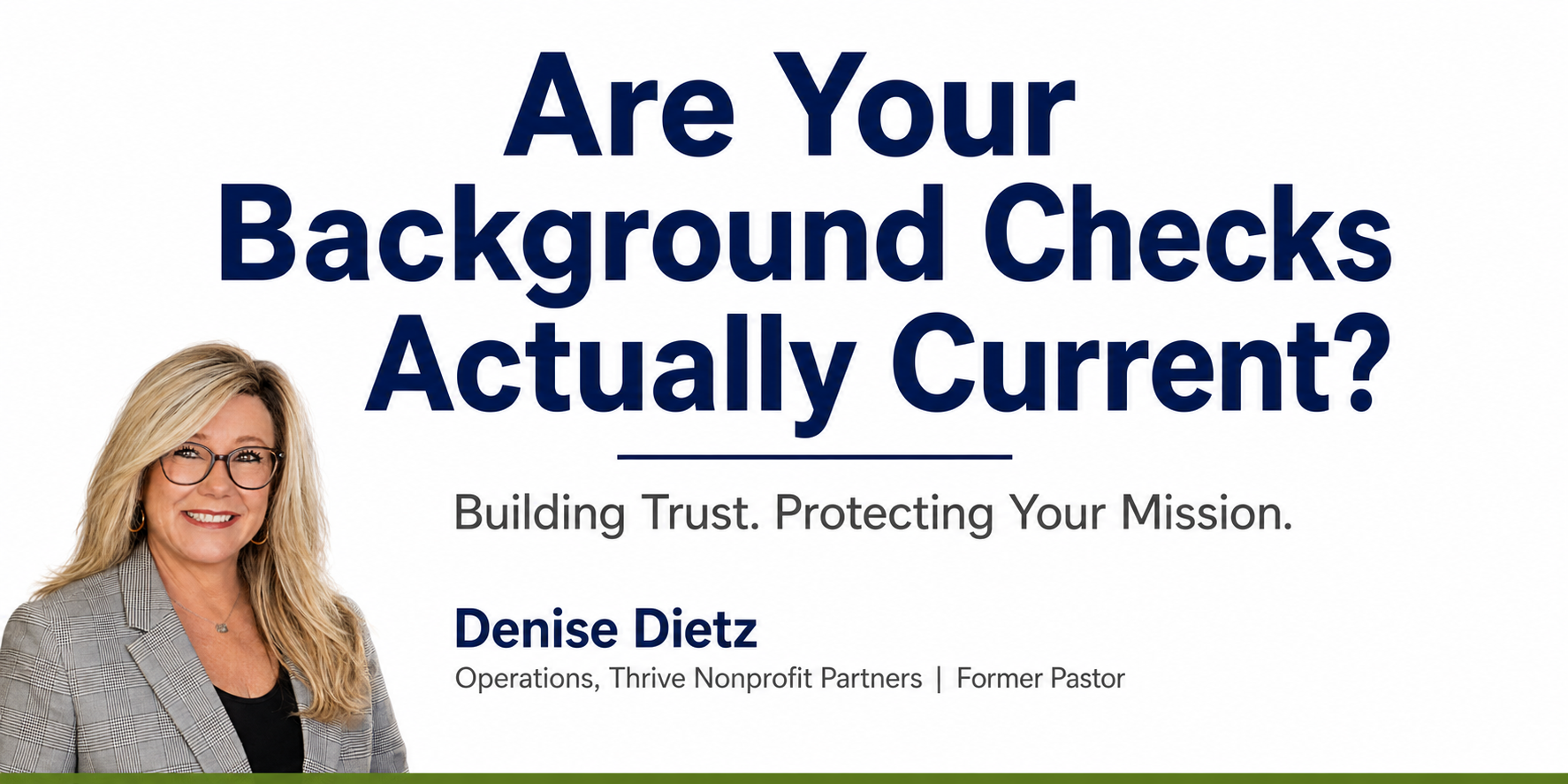
Hi, I'm Denise Dietz, and I lead Operations here at Thrive Nonprofit Partners. But before I stepped into this role, I served as a pastor. I was directly responsible for overseeing our church's volunteer culture and health, which meant I lived in the tension between relational trust and organizational safety every single day. Whether you lead a church, a private school, or a community nonprofit, you know this tension. The people who show up to serve are usually wonderful. But wonderful doesn't eliminate risk, and every organization that works with vulnerable populations has a legal and moral obligation to verify. I'll never forget the sinking feeling the first time I pulled a random audit of background checks and realized some were more than five years overdue. They were trusted faces and known names. I learned early that the relational warmth of mission-driven work can quietly erode the operational rigor that protects it. We trust people. We should. But trust is not a screening policy, and "I've known them for years" is not a background check.
The Real Cost of "We'll Get to It Later"
This month, Church Law & Tax reported that four leaders of a South Carolina church were arrested after allegedly allowing a convicted sex offender to volunteer and maintain contact with children, despite knowing his history. The charges range from obstruction to criminal conspiracy to unlawfully placing a child at risk.
This isn't just a church problem. Schools have faced lawsuits for failing to re-screen long-tenured staff. Youth sports organizations have lost insurance coverage after incidents involving unvetted coaches. Any nonprofit that serves minors or vulnerable adults carries this same exposure.
Organization leaders facing criminal charges. Not for what they did, but for what they failed to prevent.
The financial and operational implications of neglecting background checks extend far beyond legal fees:
- Negligent volunteer/hiring liability. Courts have consistently ruled that an organization's failure to conduct background checks is, in itself, evidence of negligence. One federal court found that skipping a background check alone was sufficient to establish liability.
- Insurance denial. Carriers regularly deny claims when organizations fail to exercise "reasonable care" in screening. You're paying for coverage that won't cover you.
- Institutional trust collapse. When a preventable incident occurs, families leave. Donors pull back. Staff morale craters. Rebuilding credibility takes years, whether you're a school, a church, or a community organization.
- Operational disruption. Investigations, legal proceedings, and leadership transitions consume hundreds of hours that should be spent on mission.
What Worked for Us: A Simple, Repeatable System
When I led our volunteer culture as a pastor, I implemented two non-negotiable rhythms. These same principles apply whether you're onboarding classroom volunteers at a school, coaches at a youth organization, or mentors at a community nonprofit:
- Routine monitoring of team onboarding. Every new volunteer or staff member was tracked through our onboarding pipeline, and I personally confirmed that background checks were initiated before anyone was placed in a role. No exceptions. The check was the gate, not the afterthought. For schools, this means before the first day in a classroom. For youth programs, before the first practice or event.
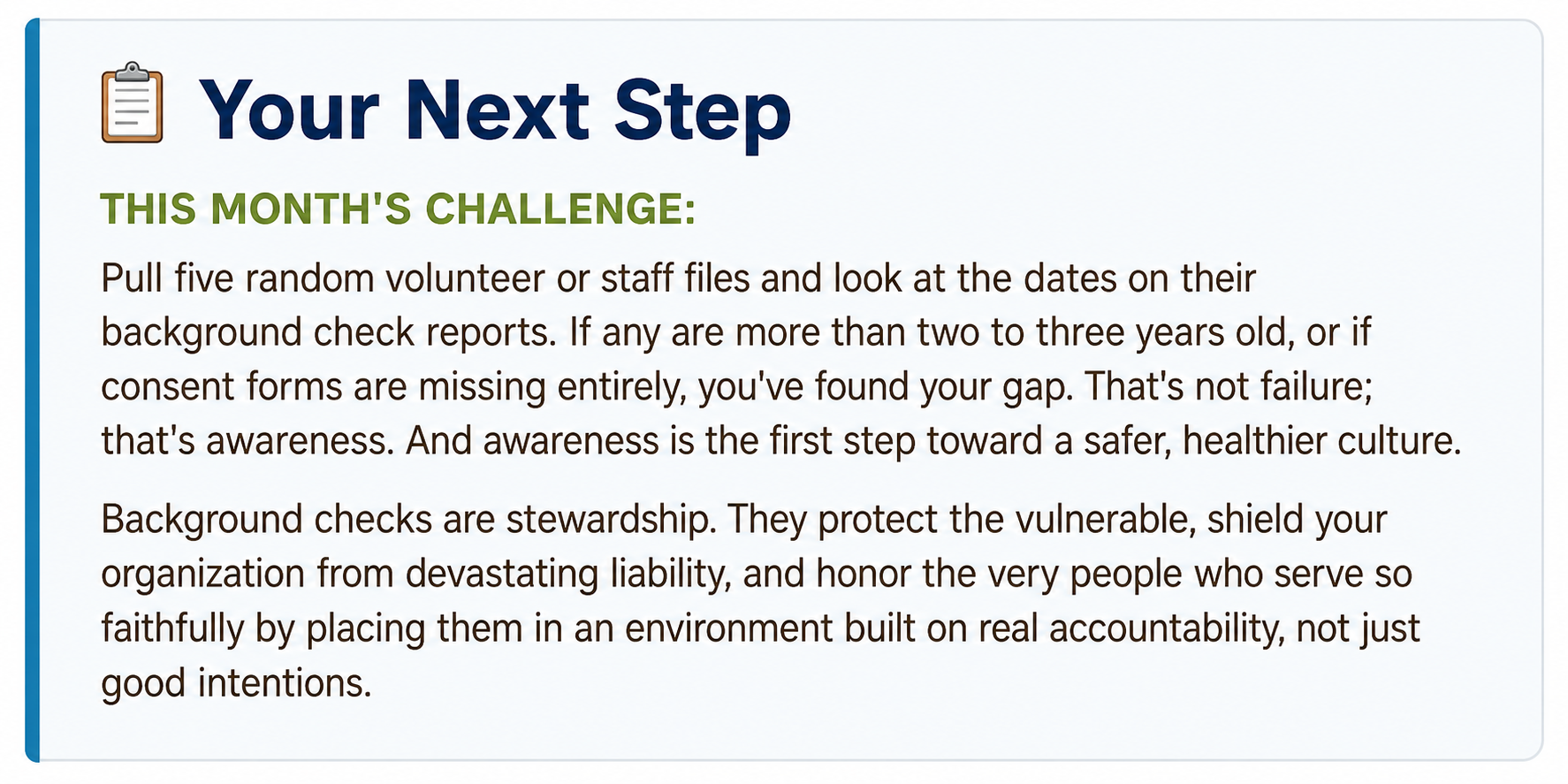
- An annual audit. Every year in October, we pulled our full roster and verified that every background check was current. October gave us enough runway before busy seasons to identify gaps, re-run expired checks, and ensure no one slipped into high-access roles with outdated clearances. Pick a month that gives your organization lead time before your peak season, whether that's fall enrollment, summer camp, or holiday programming.
These weren't burdensome. They were rhythms. And they communicated something powerful to our team: we take this seriously because we take YOU seriously, and we take the people you serve seriously.
|


We're always looking for ways to make working with us easier, and we're excited to introduce a new tool: the Ramp Client Portal.
What is it?
The Client Portal is a secure, centralized place where you can view and respond to requests from your Thrive team, all in one spot. No more digging through email threads to find what we need from you.
What does this mean for you?
Over the coming weeks, you will receive a request from us through the portal (you'll get an email notification). When you do, simply click the link, review what's being asked, and upload or respond right there. It's designed to be straightforward and quick.
What to expect:
- You'll receive email notifications when your Thrive team sends a request
- Requests may include documents we need (bank statements, budgets, receipts) or questions for you to answer
- Everything stays organized in one place so nothing falls through the cracks
Connection Group and Community Learning Lab.
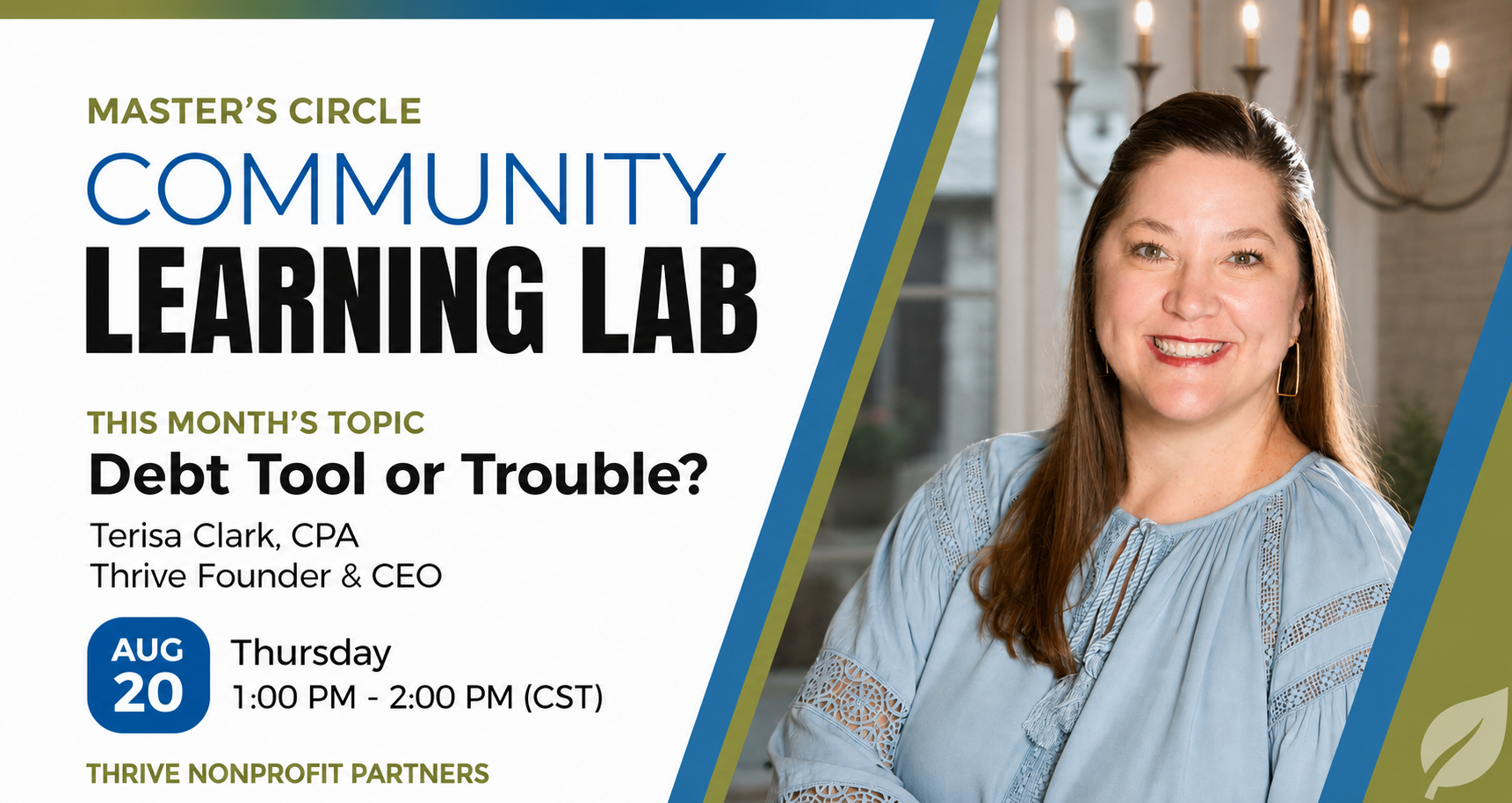
Thursday, August 20th at 1PM CST - via Zoom

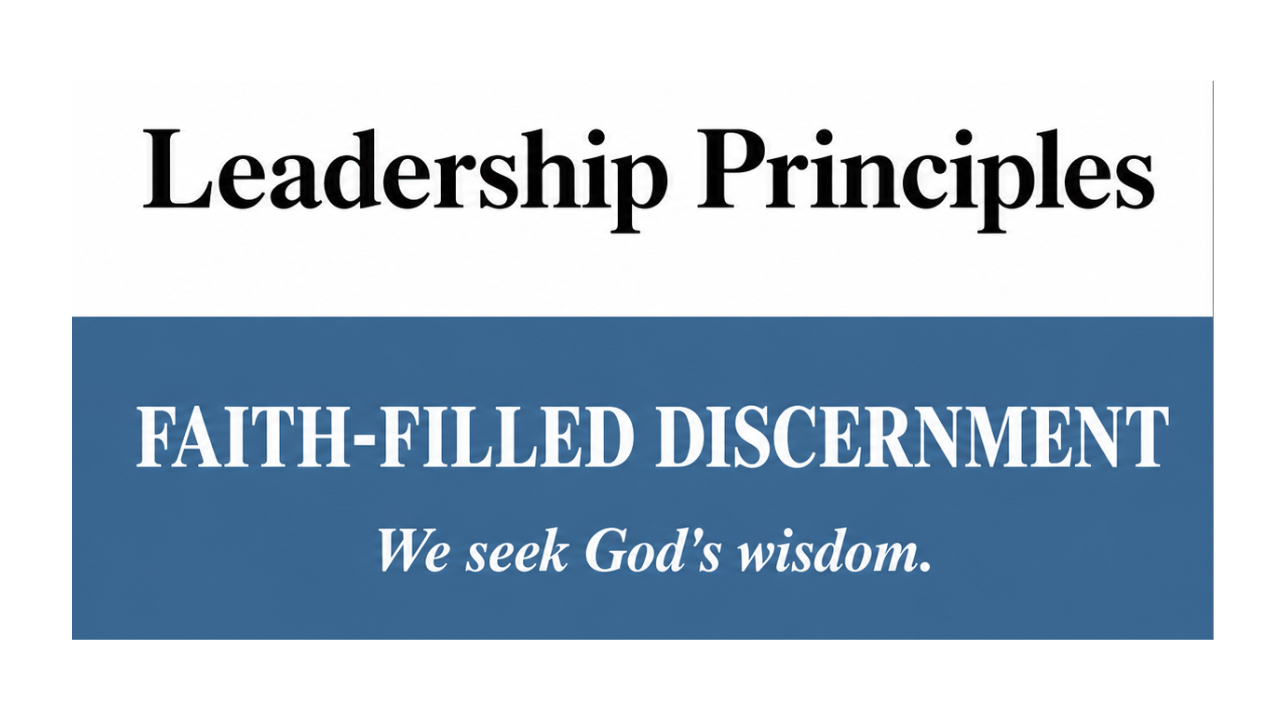
What this looks like in practice: We listen for God's voice and ask for supernatural help, then take action. We do what we say we will do. When priorities shift, we communicate quickly and reset expectations clearly. Reliability is part of our credibility. We refuse to depend solely on human ability as the source of our work.
"His divine power has granted to us everything pertaining to life and godliness, through the true knowledge of Him who called us by His own glory and excellence." 2 Peter 1:3
Your organization's decisions carry weight. Budgets shape ministries. Forecasts determine who gets hired and what programs launch. We don't take that lightly. Before we advise, we pray. Before we act, we listen. Not because the numbers don't matter, but because the One who entrusted them to you matters more.
Faith-filled discernment means we bring you more than expertise. We bring intentionality, accountability, and the confidence that comes from seeking wisdom beyond our own.
That's the discernment.




Responses